Research note: This is a research-grounded normative essay, not a peer-reviewed paper, a systematic review or a probabilistic forecast. The accompanying dossier distinguishes established facts, attributed reports, dated assessments, analytical inferences and publication holds. Historical quotations document positions expressed in particular circumstances; they do not establish that identical policies would produce identical outcomes elsewhere. Recommendations are the author’s arguments. Evidence cutoff: 22 September 2026.
Golda Meir had prepared a speech.
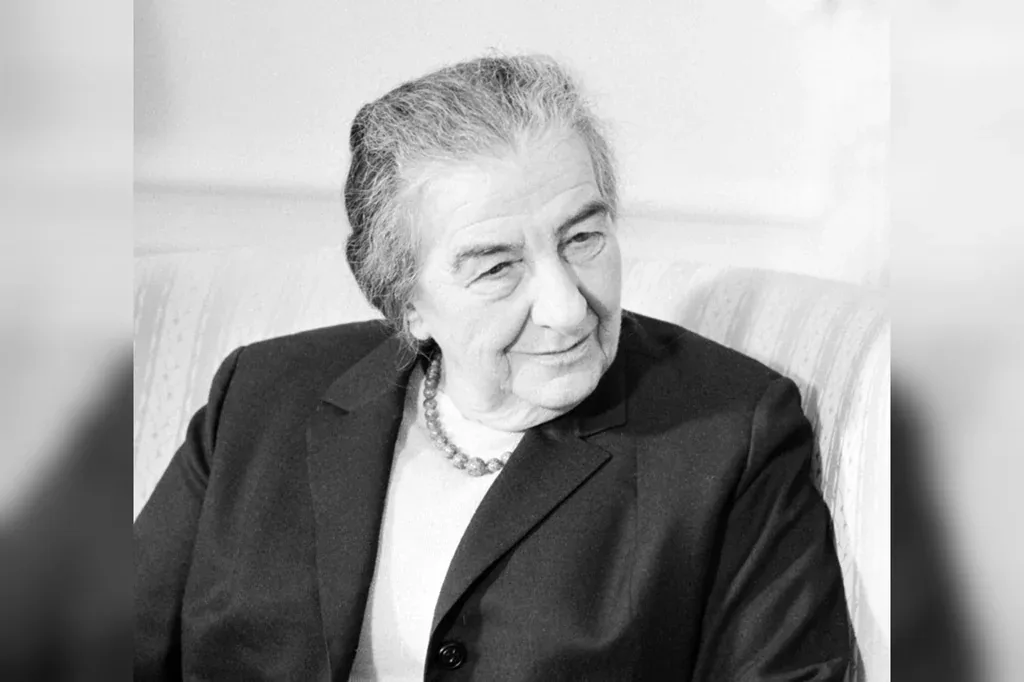
When she addressed the Parliamentary Assembly of the Council of Europe on 1 October 1973, she told the room she had decided not to put the written text between herself and her audience. In the official record, amid arguments about Israel’s security and the treatment of Jewish emigrants, there is a sentence that needs very little introduction:
“There is a price for winning a war, too.” 1
She spoke about young people who should still have been alive to build their countries. She included those on the Arab side. This was not a renunciation of defence: the same address insisted on the right to self-defence and rejected concessions to hostage-takers. Recognition of suffering appeared alongside those positions, not instead of them. 1
Five days later, Egypt and Syria attacked Israeli forces in the Sinai Peninsula and the Golan Heights, beginning the October 1973 war. 2
The proximity of those dates makes the sentence difficult to read as a comfortable piece of historical wisdom. It was spoken inside an unresolved conflict, shortly before another war.
That is where I want to begin this sequel.
[Talking Is Not Surrender]3 considered the distinction between communicating with an adversary and accepting their demands. But maintaining contact leaves a harder question unanswered: what would demonstrate that an intention to preserve peace had become a practice?
Reading these historical speeches, I am less interested in collecting reassuring sentences than in understanding the obligations behind them. Their authors do not need to become flawless figures for their words to deserve attention. Nor does quoting them settle the judgement of their records.
The question is what they believed peace required when goodwill was insufficient.
What strength is for
In September 1981, Helmut Schmidt addressed the dispute over security, armaments and negotiations in an article for Gewerkschaftliche Monatshefte.
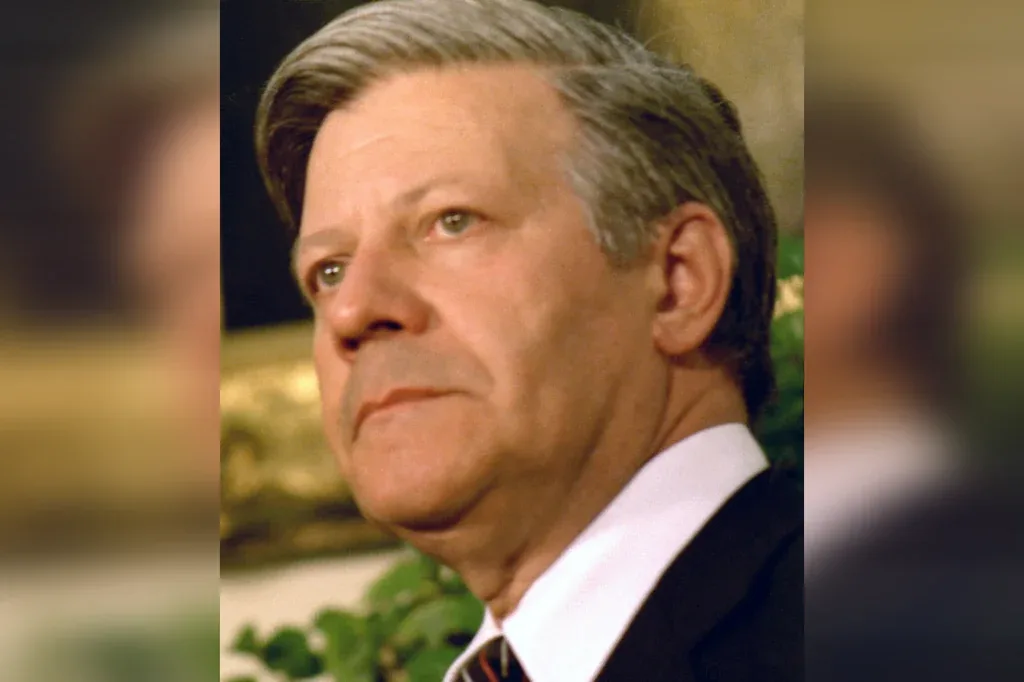
He defended NATO’s double-track approach: preparations for additional Western missile deployments alongside negotiations with the Soviet Union. Crucially, he rejected treating the deployment component as the only part that mattered. His stated objective was a military balance in Europe at the lowest possible level, rather than Western military superiority. 4
Within that argument, he wrote:
“Wer die Verhandlungen nicht will, kann sehr großen Schaden anrichten.”
Whoever rejects negotiations can cause very great harm. 4
Schmidt’s position belonged to a particular strategic situation. It does not establish the appropriate weapons, negotiating terms or security arrangements for a different conflict.
What it does establish is that, in his account, defence and negotiation were instruments within the same policy. Neither was intended to become an end in itself. 4
That raises a question the word strength cannot answer on its own: strength to achieve what?
Preventing an attack, protecting a population, improving a negotiating position and compelling an adversary to change its behaviour are distinct objectives. A measure could advance one while making another harder. Simply calling it strong does not explain the relationship.
The same scrutiny applies to a negotiating proposal. The existence of an offer tells us little about whether its terms are enforceable, whether the people affected have a voice, or whether accepting it would improve their security.
John F. Kennedy captured the tension in his inaugural address on 20 January 1961:
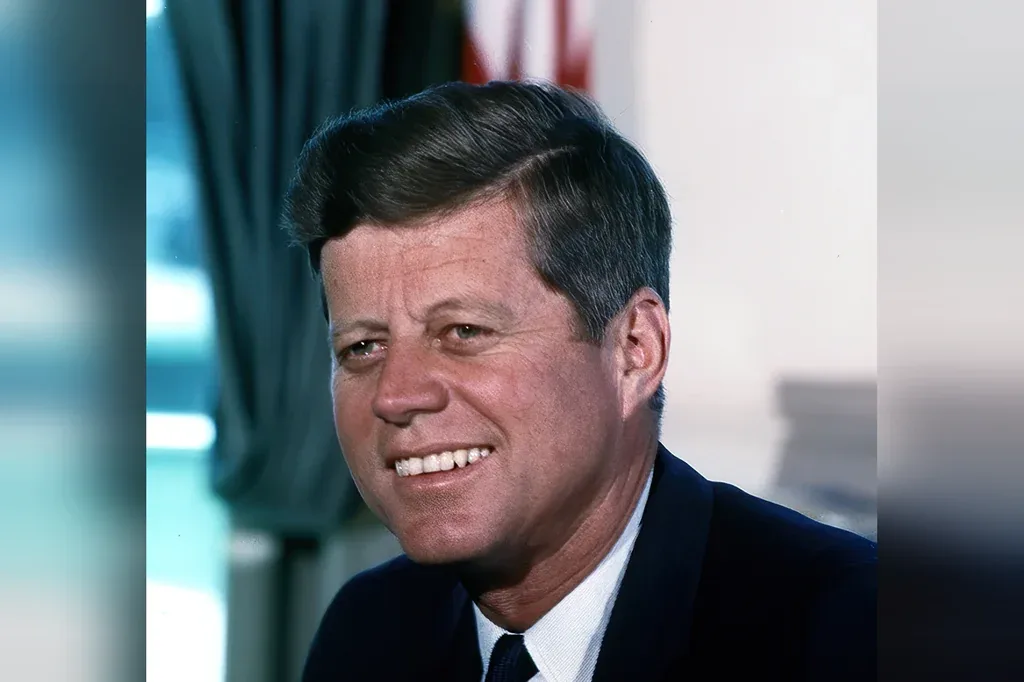
“Let us never negotiate out of fear. But let us never fear to negotiate.” 5
The two sentences belong together. They identify different dangers: allowing intimidation to determine the terms, and allowing apprehension about negotiation to prevent it altogether.
Neither sentence supplies an answer to a particular dispute. Together, they make the question more demanding than a choice between appearing hard and appearing soft.
What distrust needs
At their Geneva summit in November 1985, Ronald Reagan and Mikhail Gorbachev acknowledged that serious differences remained between their governments. Their joint statement nevertheless recorded an agreement:
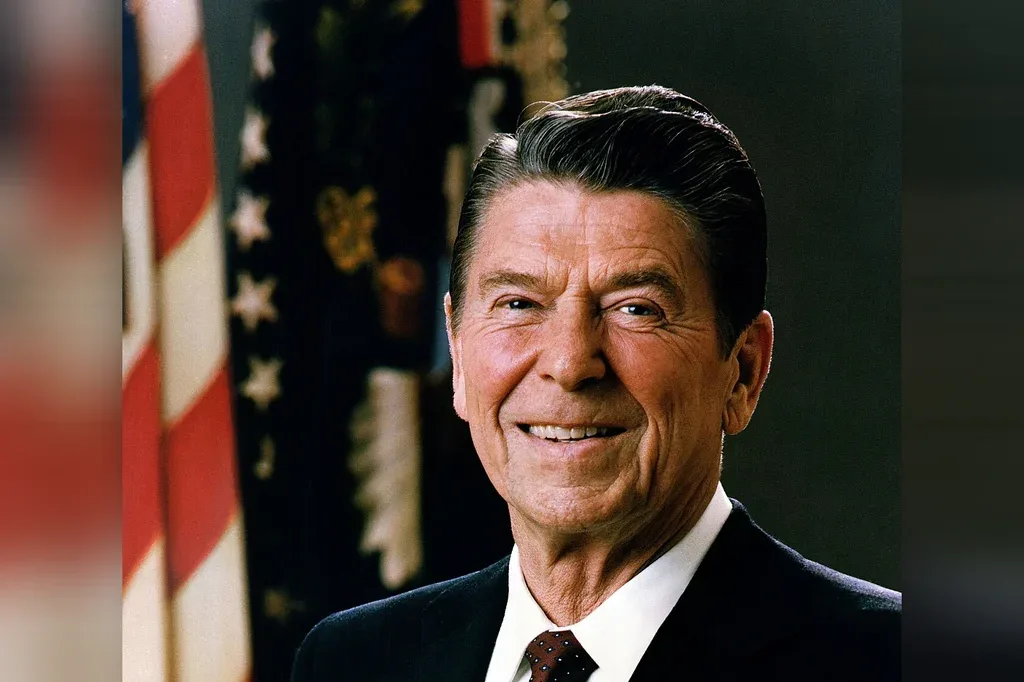

“a nuclear war cannot be won and must never be fought.”
The declaration also addressed verification, continued dialogue and possible centres for reducing nuclear risk. Agreement on those matters did not require agreement about their political systems. 6
Two years later, at the signing of the Intermediate-Range Nuclear Forces Treaty, Reagan repeated an old Russian maxim:
“trust, but verify.”
He connected it directly to inspection arrangements, including teams operating inside the other country’s territory. The maxim was not presented as a replacement for the treaty’s machinery. It described why that machinery mattered. 7
This is the part of the history that connects most directly with my own work.
In a system that other people must depend on, an assurance is not the same thing as a control. A commitment matters, but so does the ability to establish whether it has been fulfilled. Someone must be able to notice a discrepancy, investigate it and decide what happens next.
Countries are not software components. Their histories, interests and political authority cannot be reduced to an architecture diagram. Still, there is a recognisable distinction between believing that something will happen and having an arrangement through which it can be checked.
Consider an agreement requiring a military withdrawal. What identifies the forces covered? Who establishes that they have moved? What happens when the parties produce conflicting accounts? Does an alleged violation trigger investigation, consultation or an immediate response?
Those are questions about the substance of the agreement, not administrative details added after the important people have signed.
Verification also has limits. Detecting a breach is different from possessing the means to address it. An inspection procedure cannot, by itself, create political willingness to comply.
The historical example therefore supports neither blind confidence nor the claim that distrust makes every agreement impossible. It shows two governments attempting to give distrust a defined place within their arrangements. 6 7
An enemy is not a population
On 20 November 1977, Anwar Sadat addressed the Israeli Knesset.
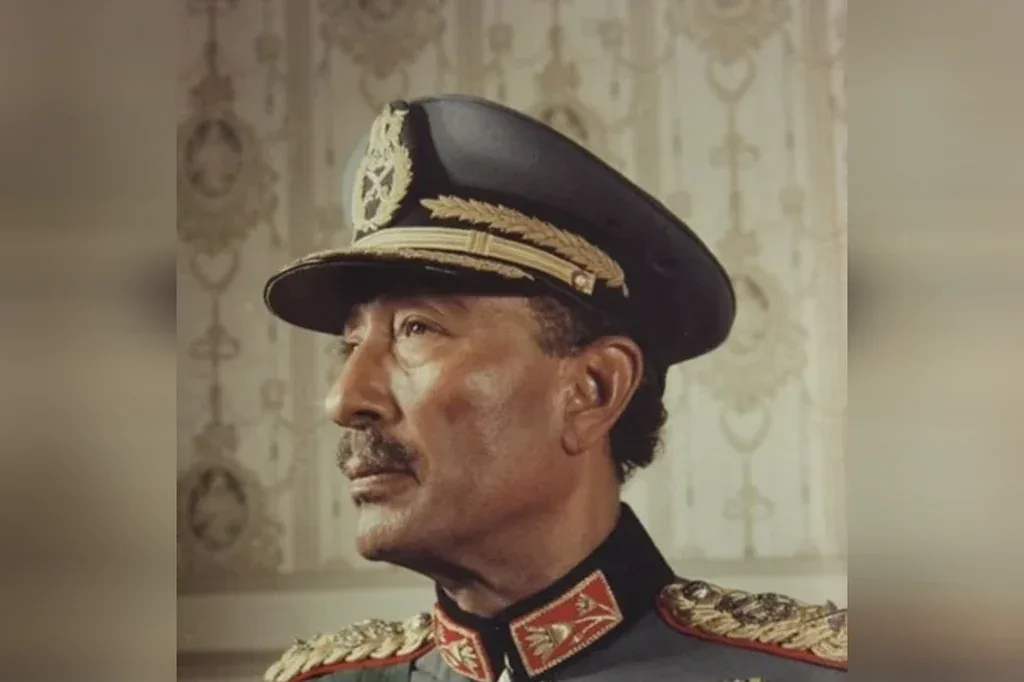
In the published English transcript, he said:
“Any life lost in war is a human life, irrespective of its being that of an Israeli or an Arab.”
He spoke about widows and children on both sides. He also advanced substantive demands concerning territorial withdrawal and Palestinian rights. Human recognition did not replace his political position; it appeared within it. 8
This is a distinction worth keeping intact.
Equal human worth and equal responsibility are different propositions. Acknowledging the suffering of civilians does not resolve who initiated a conflict, who committed a particular act, or who bears responsibility for continuing it. Those questions require their own evidence.
Conversely, establishing responsibility for an act does not logically establish the guilt of an entire population.
Sadat’s speech can be read without pretending that these distinctions were easy, or that speaking to an adversary removed the disagreements between them. The transcript explicitly acknowledges suspicion and the absence of confidence. He addressed those conditions rather than claiming they had already disappeared. 8
For a negotiation, there is another practical distinction: understanding an opponent is not the same as accepting their account.
An assessment of what someone fears, wants or is capable of delivering can be useful without becoming an endorsement. It may reveal room for an agreement. It may reveal that a proposed agreement has no credible basis. Either conclusion depends on understanding more than the label enemy.
The difficult work lies between excusing an adversary and refusing to learn anything about them.
Peace for whom?
There is a danger in this discussion.
An essay about reducing conflict can slip into treating every disturbance as a problem and every appearance of stability as an achievement. Martin Luther King Jr.’s April 1963 letter from Birmingham jail exposes that difficulty.
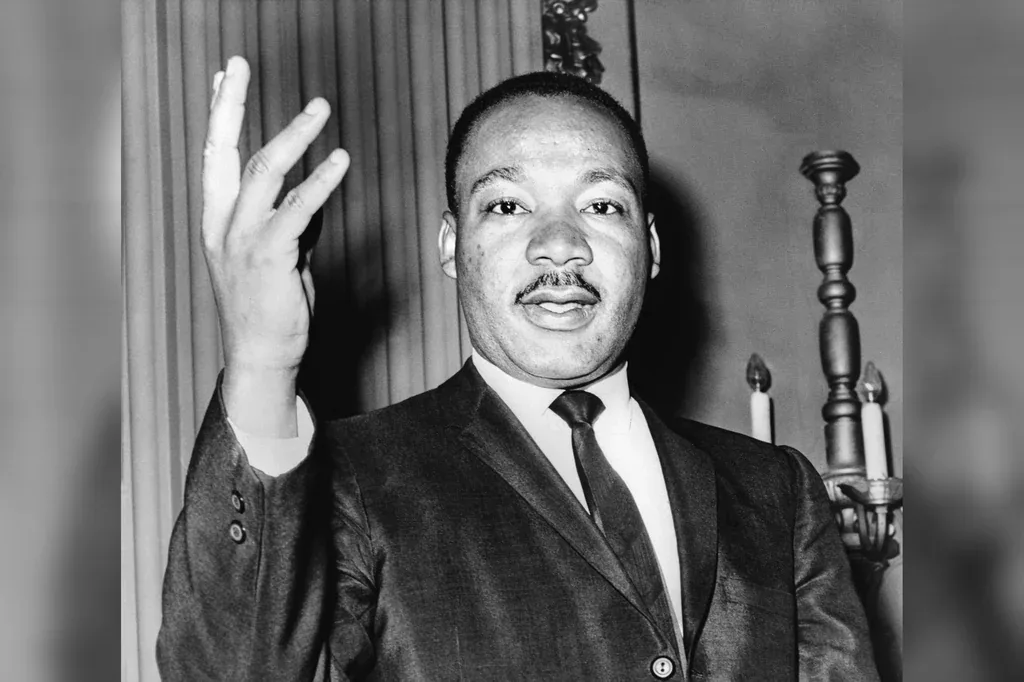
He criticised the preference for:
“a negative peace which is the absence of tension to a positive peace which is the presence of justice.”
King was defending nonviolent direct action against racial segregation. He argued that such action could create the pressure necessary to bring a community that refused negotiation into meaningful negotiation. His objection was not to dialogue, but to an order in which appeals for patience perpetuated injustice. 9
The struggle against segregation is not interchangeable with a war between states. The relevance here is narrower: the absence of visible confrontation does not tell us everything about the conditions under which people live.
A proposed settlement can therefore be examined on more than one timescale. It might reduce immediate violence while leaving fundamental disputes unresolved. That immediate reduction has a meaning of its own; it does not automatically establish that the resulting order is secure or just.
Equally, an unresolved grievance does not make every limited agreement meaningless.
The questions concern both the protection available now and the opportunities that remain afterwards. Can people participate in decisions affecting them? Can they contest abuses? What recourse exists when a commitment is broken? Who is expected to accept a risk, and who gets to describe that risk as acceptable?
These questions also complicate the position of an outside observer. An agreement that appears manageable from a distance may distribute danger very unevenly among those who must live with it.
Calling something peace does not answer who has been heard.
The day after the agreement
In a lecture at MIT in October 2001, John Hume stated:
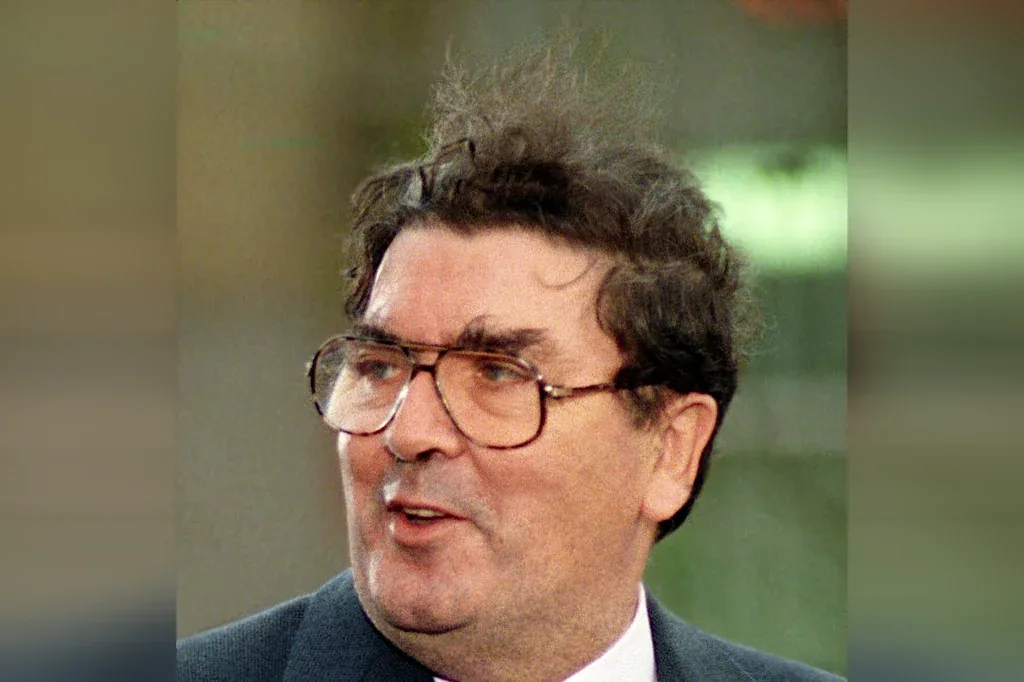
“There is no peace without dialogue.”
But the university’s contemporary report records considerably more than an appeal to talk. Hume described respect for difference, institutions that embody that respect, and cooperation around common interests. He also discussed housing, education and employment as part of building viable communities. 10
In that account, an agreement does not depend on everyone acquiring the same identity, remembering the past in the same way, or abandoning their political aspirations.
The task is to establish how continuing differences will be handled.
Imagine an incident after an agreement has been signed. A shot is fired. An accusation circulates. Each side believes the other has broken its commitments.
At that moment, the photograph of the signing ceremony answers very little.
The relevant questions are whether there is a functioning channel for contact, whether evidence can be preserved and examined, and whether someone has the authority to address the incident without reopening every part of the conflict. There may also be a dispute about the investigators themselves. An arrangement has to accommodate that possibility, too.
This hypothetical is not a prediction that procedures will always prevail. It illustrates the distance between announcing a settlement and operating one.
Dag Hammarskjöld expressed a related conception of institutions in 1954. Repeating a thought that the Hammarskjöld Foundation traces to Henry Cabot Lodge Jr., he described the United Nations’ purpose as preventing catastrophe rather than delivering an ideal world. 11
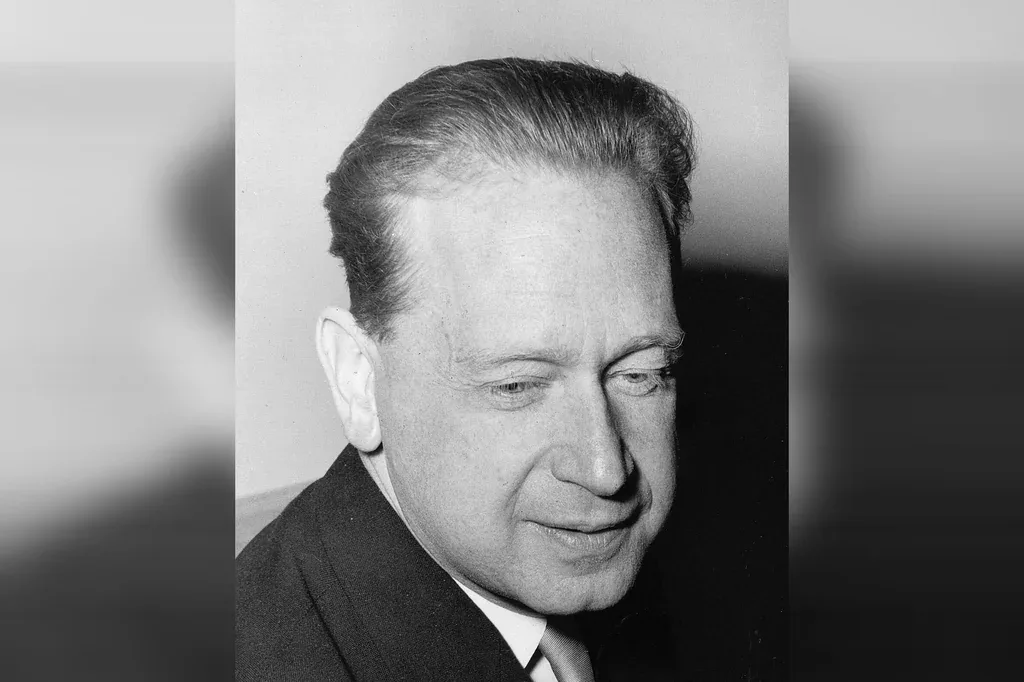
That is a limited ambition, but not an empty one.
It also presents an evidentiary problem. The fact that a crisis did not escalate does not, by itself, prove that a particular institution prevented escalation. Equally, the persistence of disagreement does not prove that an institution has achieved nothing.
The assessment has to reach beyond the existence of the organisation or the language of its mandate. What could it observe? What could it do? What happened when its decisions were challenged?
Kennedy’s formulation at American University in June 1963 fits here:
“For peace is a process—a way of solving problems.” 12
A process has to continue functioning after the people who began it leave the room.
The things we meant to protect
There is another cost that sits outside the immediate account of casualties and destruction.
In The Chance for Peace, delivered on 16 April 1953, Dwight D. Eisenhower compared the resources consumed by armaments with schools, hospitals, homes and food. In the same address, he maintained that threatened societies had to remain armed and prepared. His argument contained both the necessity he attributed to defence and the burden created by that necessity. 13
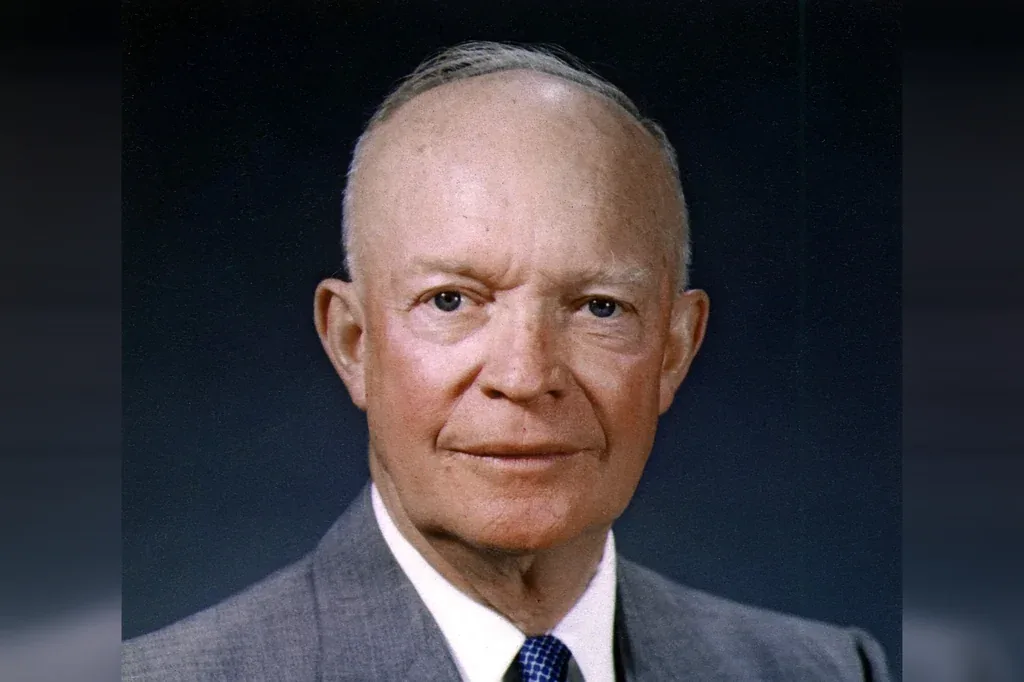
The economic question does not disappear because a security expenditure is judged necessary. Resources committed to one purpose cannot simultaneously serve every other purpose.
But the reverse also holds: identifying an opportunity cost does not demonstrate that the expenditure can safely be removed.
That is an uncomfortable calculation. It resists the convenience of declaring either security or social provision irrelevant to the other. The institutions a society wants to protect need resources; so do the measures intended to protect them.
Eisenhower’s speech brings the discussion back to what people hoped to do with their lives before the threat became the organising concern. 13
Willy Brandt gave that relationship a compact expression in a speech on 3 November 1981:
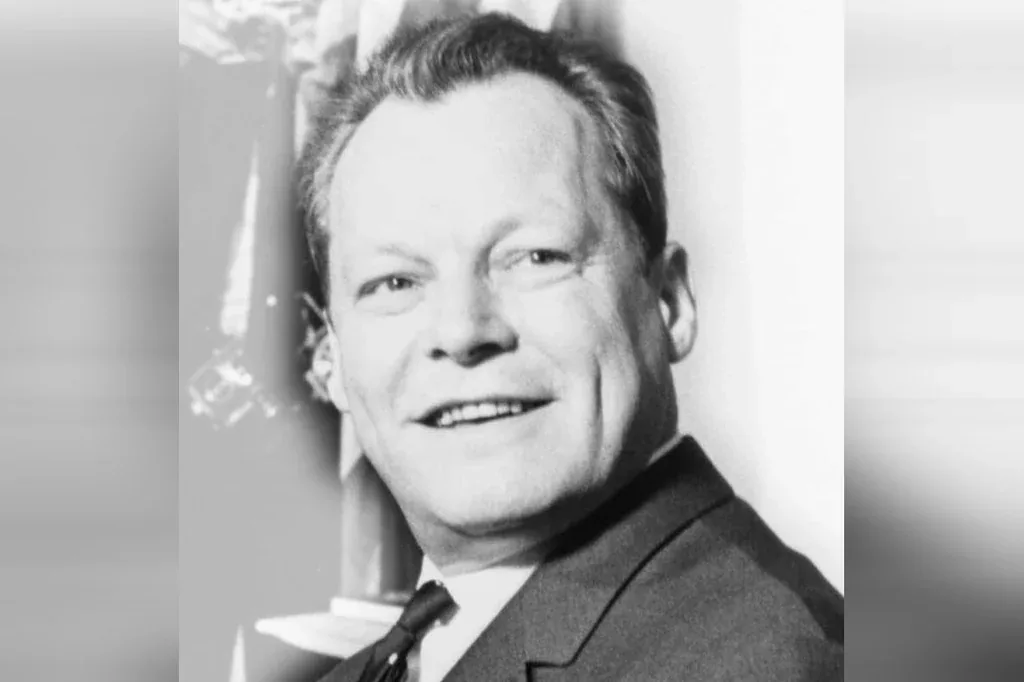
“Der Frieden ist nicht alles, aber alles ist ohne den Frieden nichts.”
Peace is not everything, but without peace everything is nothing.
The passage appears in a discussion of nuclear danger and forthcoming negotiations. It is an expression of the stakes, not a specification of the terms under which any agreement should be accepted. 14
Read alongside King, it leaves a tension that cannot be resolved by choosing the more attractive quotation. The prevention of violence matters, and so do the conditions people are left to live under. Read alongside Schmidt, it leaves the relationship between defence and negotiation open to examination rather than collapsing one into the other. 9 4 14
These sources do not yield a single programme. They pose a set of connected questions about security, human costs, verification, justice and the institutions needed to handle continuing disagreement.
That is what I mean here by the discipline of peace.
It is the work between a statement of intent and a functioning arrangement: establishing what is promised, what can be checked, whose interests are represented and what happens when something goes wrong. It includes the uncomfortable possibility that an offer is inadequate, just as it includes the possibility that an adversary can fulfil a limited commitment without becoming a friend.
I began with Meir’s observation because it refuses to let winning close the account.
Even after the military outcome has a name, there are people who will not return to their families, their work or the lives they expected to have. Her speech recognised that loss on both sides. 1
Beyond the historical documents, I keep returning to the ordinary things at stake: a school that opens, a home that remains a home, a person able to make plans without organising them around the next emergency.
Those lives are not the background to the subject.
They are the reason the subject matters.
Quotation note: English translations of Schmidt and Brandt are supplied for this essay. Hume’s remarks are quoted from MIT’s contemporary report of his lecture. The historical sources document positions expressed in particular circumstances; they do not establish that identical policies would produce identical outcomes elsewhere.
Sources
Footnotes
-
Meir, Golda. Speech to the Parliamentary Assembly of the Council of Europe, 1 October 1973. Council of Europe Parliamentary Assembly speech archive. https://assembly.coe.int/nw/xml/Speeches/Speech-XML2HTML-EN.asp?SpeechID=146 ↩ ↩2 ↩3
-
U.S. Department of State, Office of the Historian. The 1973 Arab-Israeli War. Milestones in the History of U.S. Foreign Relations, 1969–1976. https://history.state.gov/milestones/1969-1976/arab-israeli-war-1973 ↩
-
Gilgen, Thierry. Talking Is Not Surrender. Thierry Gilgen ICT Library / Field Notes. https://www.thierry-gilgen-ict.ch/field-notes/talking-is-not-surrender ↩
-
Schmidt, Helmut. “Zur aktuellen Sicherheits- und Friedensdebatte.” Gewerkschaftliche Monatshefte, September 1981, pp. 530–535. Digitised by the Friedrich-Ebert-Stiftung. https://library.fes.de/gmh/main/pdf-files/gmh/1981/1981-09-a-530.pdf ↩ ↩2 ↩3 ↩4
-
Kennedy, John F. Inaugural Address, 20 January 1961. John F. Kennedy Presidential Library and Museum. https://www.jfklibrary.org/archives/other-resources/john-f-kennedy-speeches/inaugural-address-19610120 ↩
-
United States and Soviet Union. Joint Soviet-United States Statement on the Summit Meeting in Geneva, 21 November 1985. Ronald Reagan Presidential Library and Museum. https://www.reaganlibrary.gov/archives/speech/joint-soviet-united-states-statement-summit-meeting-geneva ↩ ↩2
-
Reagan, Ronald. Remarks on Signing the Intermediate-Range Nuclear Forces Treaty, 8 December 1987. Ronald Reagan Presidential Library and Museum. https://www.reaganlibrary.gov/archives/speech/remarks-signing-intermediate-range-nuclear-forces-treaty ↩ ↩2
-
Sadat, Anwar. Address to the Israeli Knesset, 20 November 1977. English transcript via Jewish Virtual Library. https://jewishvirtuallibrary.org/address-by-egyptian-president-anwar-sadat-to-the-knesset ↩ ↩2
-
King, Martin Luther Jr. Letter from Birmingham Jail, 16 April 1963. Excerpt via Dickinson College Knowledge for Freedom seminar. https://housedivided.dickinson.edu/sites/teagle/texts/martin-luther-king-jr-letter-from-birmingham-jail-1963/ ↩ ↩2
-
Wright, Sarah H. “Hume urges respect for diversity, patience in conflict resolution.” MIT News Office, 17 October 2001. Report of lecture delivered 15 October 2001. https://news.mit.edu/2001/hume-1017 ↩
-
Dag Hammarskjöld Foundation. “A day of remembrance – and a reminder of the United Nations’ reason for existence,” 27 January 2021. https://www.daghammarskjold.se/blog/day-of-remembrance-reminder-of-united-nations-reason-for-existence/ ↩
-
Kennedy, John F. Commencement Address at American University, Washington, D.C., 10 June 1963. John F. Kennedy Presidential Library and Museum. https://www.jfklibrary.org/archives/other-resources/john-f-kennedy-speeches/american-university-19630610 ↩
-
Eisenhower, Dwight D. Address “The Chance for Peace”, 16 April 1953. The American Presidency Project, UC Santa Barbara. https://www.presidency.ucsb.edu/documents/address-the-chance-for-peace-delivered-before-the-american-society-newspaper-editors ↩ ↩2
-
Brandt, Willy. Extract from the speech marking the centenary of J.H.W. Dietz Nachf., Bonn, 3 November 1981. In Berliner Ausgabe, vol. 5, document 80, pp. 363–371. https://www.willy-brandt-biografie.de/wp-content/uploads/2019/09/WB_BerlinerAusgabe_05.pdf ↩ ↩2